

11 Small Habits That Keep You Consistent
Motivation comes and goes, but the clients who actually stick with training long term rely on habits, not just willpower. These are 11 small habits I’ve seen make the biggest difference over the years.
Counted down here to the one that matters more than any other.

11. Lay Out Your Workout Clothes the Night Before
Removing one small decision from your morning makes it that much easier to actually follow through. It sounds minor, but small friction adds up when you’re already tired or rushed.
This is one of the easiest habits to start immediately.

10. Schedule Workouts Like Real Appointments
Treating a workout as a fixed commitment on your calendar, rather than something you’ll get to if time allows, changes how often it actually happens. Flexible plans get skipped far more often than fixed ones.
This shift alone has helped a lot of clients stay consistent.

9. Track Progress Beyond the Scale
Focusing only on one number leads to discouragement fast, especially since progress shows up in a lot of different ways. Tracking energy levels, strength gains, or how clothes fit gives a fuller picture.
This habit keeps motivation steady even during slower stretches.

8. Prepare a Backup Plan for Busy Days
Having a shorter, simpler workout ready for the days when a full session isn’t realistic keeps the habit alive even when life gets in the way. Something is almost always better than nothing.
This one habit prevents a lot of all-or-nothing thinking.

7. Find a Workout Style You Actually Enjoy
Consistency gets a lot easier when the workout itself doesn’t feel like a punishment. Experimenting with different styles until something clicks matters more than forcing yourself through something you dread.
This is one of the most overlooked pieces of long term consistency.
6. Celebrate Small Wins Along the Way
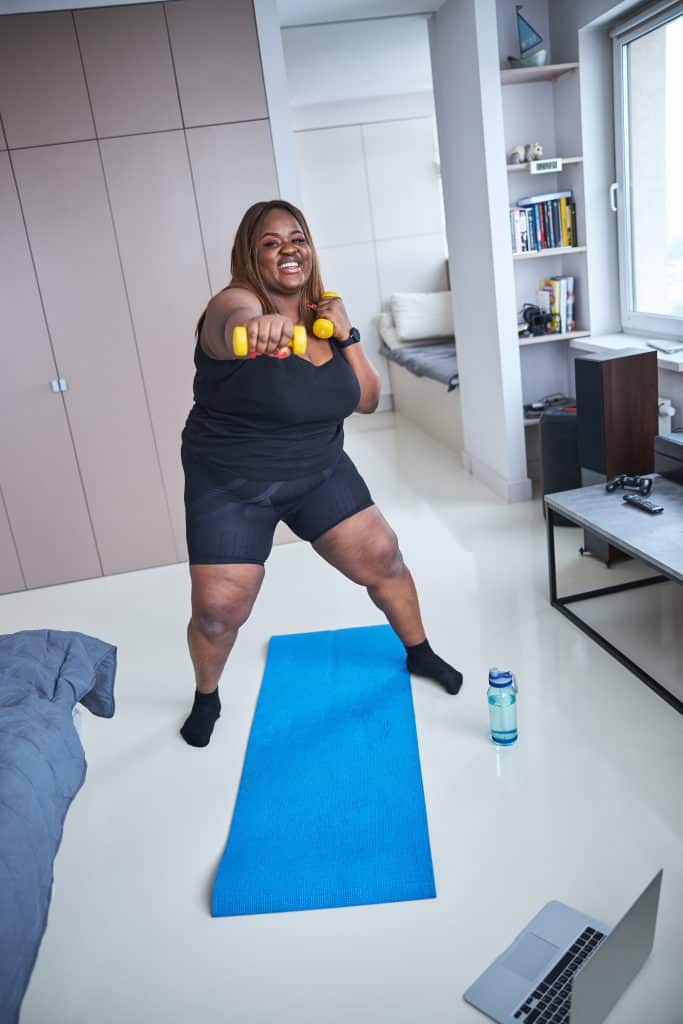
Acknowledging progress that isn’t dramatic, a slightly heavier lift, an extra rep, a bit more energy, keeps motivation from depending entirely on big milestones. Small wins add up over time.
This habit keeps the process feeling rewarding instead of just difficult.

5. Set Process Goals, Not Just Outcome Goals
Focusing on showing up a certain number of times a week, rather than only a specific result, keeps motivation steady even when outcomes are slower than expected. The process is something you actually control day to day.
This shift in focus has helped a lot of clients stay on track longer.
4. Build a Routine Around Your Actual Schedule
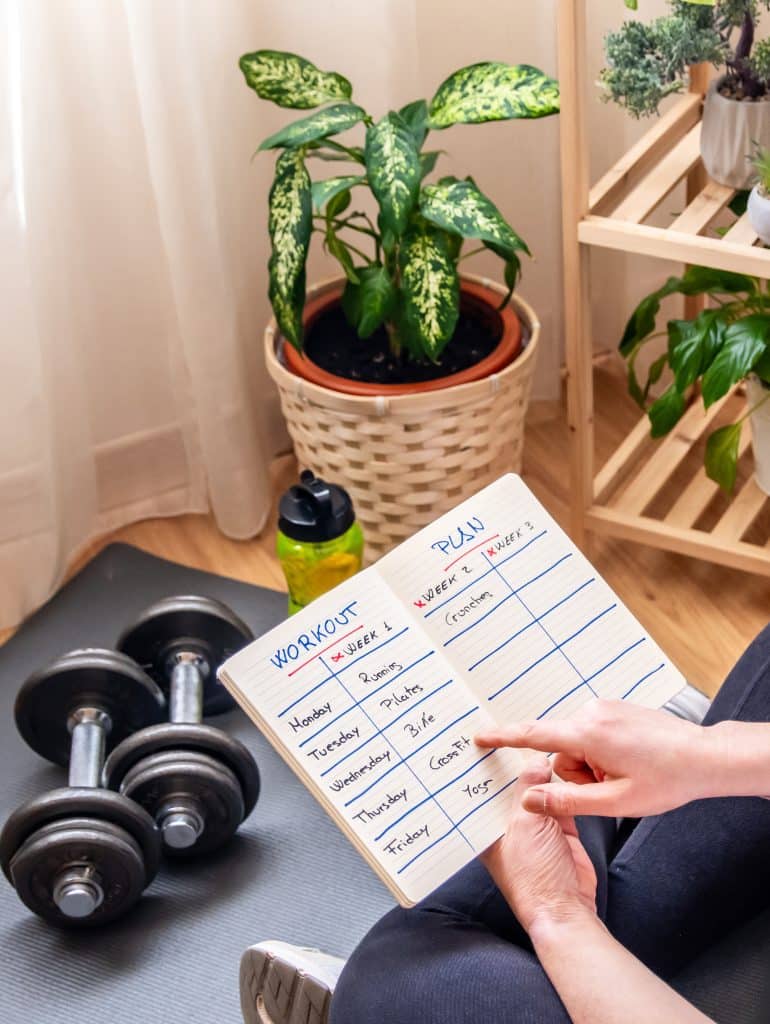
A workout plan that ignores your real life responsibilities rarely survives contact with a busy week. Building consistency around your actual schedule, not an idealized one, makes it far more sustainable.
This is one of the biggest factors in whether a habit actually sticks.

3. Find an Accountability Partner or Community
Having someone else expecting you to show up adds a layer of commitment that’s harder to skip than a plan made entirely alone. This doesn’t need to be formal, just consistent.
This one factor has kept more clients on track than almost anything else I recommend.

2. Give Yourself Grace After a Missed Session
One missed workout doesn’t erase progress, but the all-or-nothing mindset that often follows a missed session does more damage than the missed session itself. Getting back on track quickly matters more than being perfect.
This mental shift has saved more people’s consistency than any physical strategy.

1. Focus on Identity, Not Just Results
This takes the top spot because it changes the whole foundation of consistency. Instead of chasing a specific result, seeing yourself as simply “someone who works out” shifts the habit from a temporary project into a genuine part of who you are.
Every other habit on this list supports that identity once it starts to take hold. Results follow naturally when the habit itself becomes part of how you see yourself, rather than a means to an end you’re constantly chasing.
Final Thoughts
If you only take one thing from this list, let it be the last one. Shifting your identity around the habit itself does more for long term consistency than any single strategy.
The accountability partner and process goals habits are close behind, mostly because they take pressure off any single workout or result.
Which of these habits do you already practice, and which one are you adding next?